All Categories
Featured
How Smart Maintenance Enhances Asset Value
Integrating Automated Systems in Estate Management


Meeting US Compliance Standards in Professional Landscapes
Table of Contents
Recent legal changes enforce new requirements for owners of California commercial properties, a minimum of with regard to specific given kinds of occupants. Efficient Jan. 1, 2025, the Commercial Renter Protection Act, enacted in the Civil Code as SB 1103, extends to "Certified Commercial Occupants (QCTs)" defenses of the sort formerly suitable to occupants in domestic scenarios.
Starting in 2025, industrial home owners and managers deal with extra legislative requirements and limitations when dealing with QCTs. The Commercial Tenant Defense Act represents a brand-new legislative venture into commercial leasing matters formerly left prone to legal negotiation and bargaining power; these securities for small companies, nonprofits and food operators resemble similar defenses against rent increases, eviction controls and other procedures in the residential leasing context and may show noteworthy if they portend other legal attempts in the future to safeguard little renter operators in industrial settings.
For rent increases of 10 percent or less of the rent charged throughout the prior 12 months of such occupancies, owners should offer QCTs at least one month' notice before the increase takes result. For increases of more than 10 percent, owners must provide at least 90 days' notification ahead of time.
Scaling Portfolio-Wide Efficiency among Asset Managers
Third, lease arrangements with QCTs negotiated mainly in Spanish, Chinese, Tagalog, Vietnamese or Korean need to be equated into such language, and the translation should be provided to the QCT. 4th, and most notably, owners might collect structure operating costs from QCTs only if they 1) assign such fees proportionately to each tenant and 2) offer in-depth and itemized supporting documentation thereof.
For more information about how this law affects the ownership and management of commercial residential or commercial properties in California, contact the authors or your Holland & Knight West Coast Property Practice Group lawyer.
Reliable property compliance management needs an organized technique that integrates technology, processes, and clear accountability. The following framework addresses the five most typical compliance management failures. Spreadsheets, email reminders, and shared drives develop spaces. A central compliance platform provides a single view of all obligations, due dates, evaluation records, and documentation across the portfolio.
Achieving Operational Efficiency across Portfolio Properties
Crucial compliance dates-- fire safety assessments, elevator accreditations, lease responsibility deadlines-- require automated alerts with escalation courses. Every examination, upkeep activity, and compliance action should be documented with dates, responsible parties, outcomes, and supporting proof (images, certificates, reports).
In 2026, key modifications consist of FinCEN residential genuine estate reporting requirements and upgraded ADA compliance requirements. Arrange quarterly internal compliance examines that check completion rates, determine past due items, and assess whether present procedures are keeping rate with portfolio growth.
A new Industrial Building Upkeep Code was authorized by Town Council on January sixth after a public hearing. The function of this code is to set requirements for business structures within the corporate limitations of Rutherfordton, since all present standards within our code of regulations only resolve property structures. The Town was able to craft this ordinance with the help of the UNC School of Government and the Town's Attorney, Beth Miller.
Evaluating Traditional and Modern Management Models
Because this new code handle North Carolina General Statute 160D Land Use Laws, our Preparation Board reviewed the regulation before Town Council back in November 12th, 2020. They voted to suggest the code to Town Council as the board collectively saw the fantastic need for this code. Below is a basic overview of the new code: This code uses to all vacant and occupied industrial buildings within the Town limitations If a building is a mix of both business and domestic, both codes would apply.
Medical Campus Landscape ServicesIt fulfills the function by: developing minimum requirements for business structures and structures; listing specific timeframes for abating offenses; and creating a vacant property pc registry. Enforcement for this code follows NCGS 160D-1129, which begins with an investigation from the Town's Code Enforcement Officer and an order of reduction.
To read the whole building upkeep code, please click here.
Sustainable Maintenance Goals in 2026
Residential or commercial property upkeep management has gotten in a new era. In 2026, the gap in between facilities that operate on instinct and tradition spreadsheets versus those powered by smart digital platforms has actually never ever been larger or more substantial. Rising labor costs, aging structure facilities, tighter regulative requirements, and occupant expectations that leave no room for reactive thinking are forcing residential or commercial property operators across every sector to basically reassess how they prepare, perform, and track maintenance operations.

Latest Posts

How Smart Maintenance Enhances Asset Value
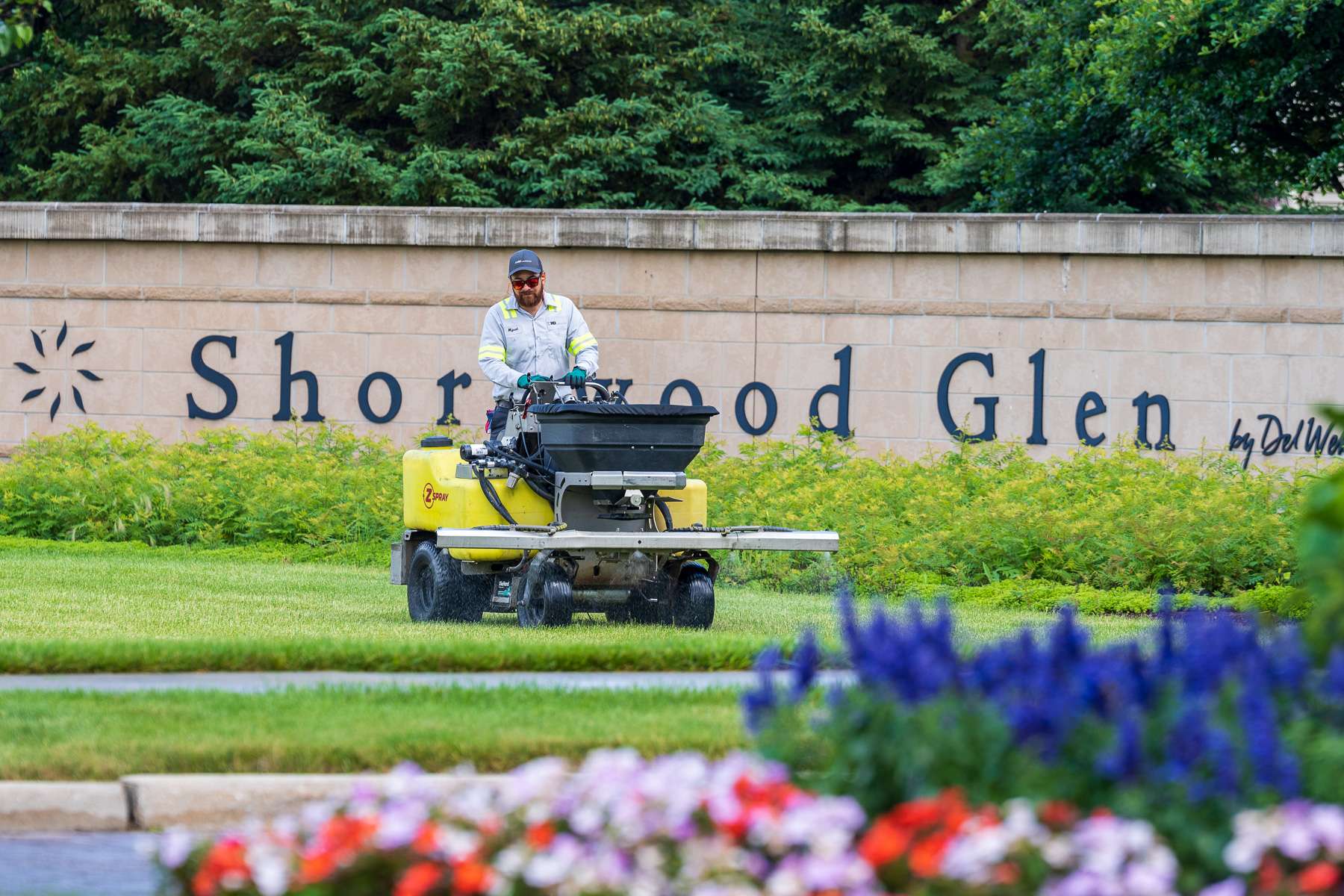
Next-Generation Grounds Management Standards for Industrial Portfolios

Integrating Automated Systems in Estate Management